From the concept of a product design or a new service to its production and distribution, the supply chain covers all touchpoints of manufacturing and fulfilment. When done efficiently, supply chain management can boost the competitiveness of a business, decrease costs and improve profits. Therefore, it’s important to understand what supply chain management is and how to do it right. Let’s dive in!
What is supply chain management (SCM)?
Supply chain management (commonly abbreviated to SCM) is the process of exercising control and supervision over the complete flow of goods and services – from supplying the raw components and manufacturing to storage, distribution, as well as the implementation of digital tools and everything else that comes before the delivery of the product to the final user.
The people, organisations, activities, tools and resources that are involved in transforming the raw materials into finished goods delivered to the consumer, are all considered links in the supply chain. The goal of SCM is to streamline the process and find the most cost-effective way for the supply chain to function.
What are the main steps in the supply chain management process?
If we look at the breakdown of all the elements of supply chain management, the process can be divided into five main stages: Planning, Sourcing, Manufacturing, Delivery and Returns. Each of these steps is crucial to the success of an organisation, so let’s see what they cover and how this could impact your business.
Stage 1: Planning
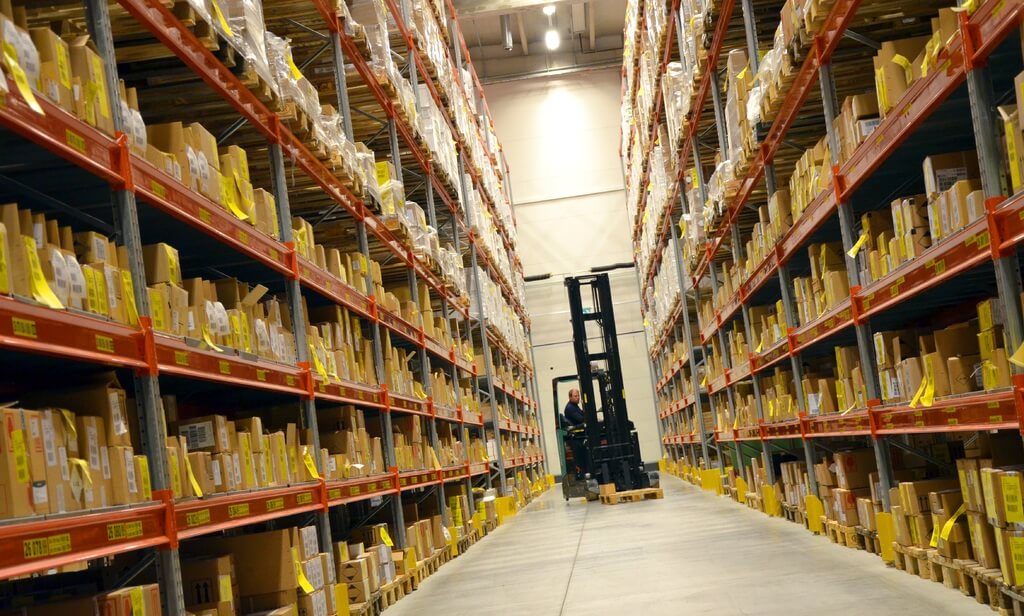
SCM begins with laying out an efficient plan for sourcing and managing all resources you need to produce high-quality products or services and meet customer demand. At this stage, the supply chain manager is looking for the most effective path to achieving the company’s goals and objectives. It’s key to set clear KPIs to keep track of whether the adopted approach delivers value as expected.
An example of the decisions you would have to make during the planning stage will be whether to source materials locally and place your product as UK-made with a higher price tag or to outsource production abroad to allow for fast, cost-effective production. This choice could have various implications for the business, so you’d have to calculate the opportunity cost carefully.
Stage 2: Sourcing
While the planning stage is entirely theoretical and involves multiple economic and strategic decisions to be made, sourcing adds the human factor to the supply chain. This is the time when you choose who your suppliers will be and how your relationship with them will be organised in the future.
Here you clarify the ordering, receiving and payment process between you and your suppliers. Managing supplier relationships is also a crucial element of inventory management and your approach can be the deciding factor when it comes to being able to satisfy the customer demand on time and gain a competitive advantage.
Stage 3: Manufacturing
This is the stage of supply chain management that oversees the making of a product in the right quantities and on time. Manufacturing covers everything from receiving the raw materials to producing the goods and ensuring that the quality of the finished product is up to standard.
Manufacturing is closely connected to stock control as it has to account for the volumes and speed of production as well. If production doesn’t go to plan, order fulfilment could become an issue and you could experience problems with a high rate of returns and unhappy clients if the quality isn’t satisfactory.
Stage 4: Warehousing, Logistics and Delivery
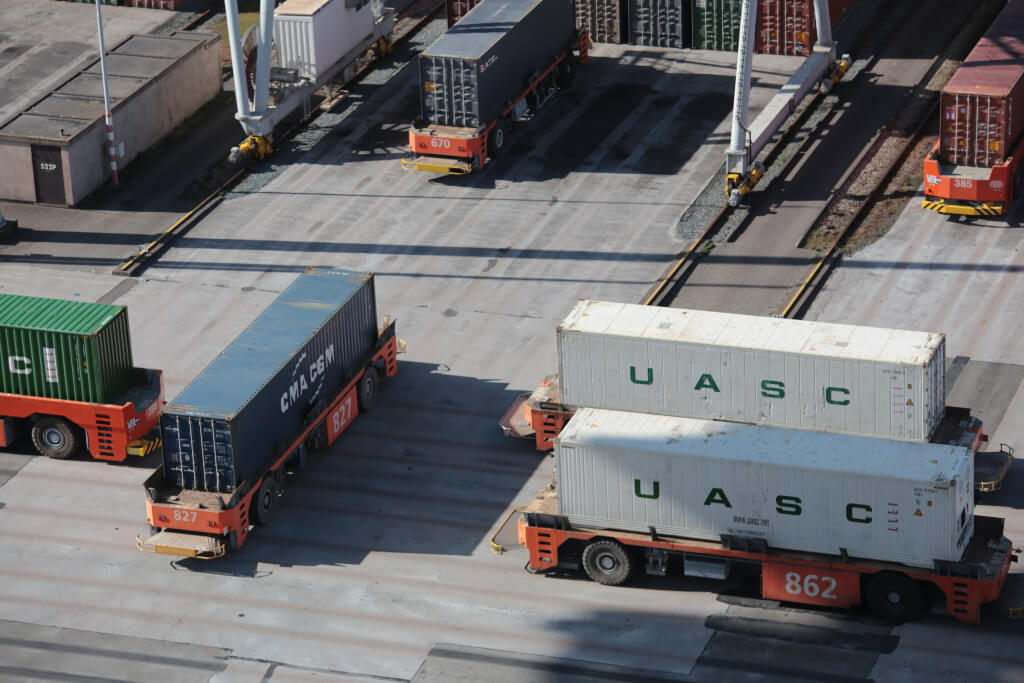
Warehousing, logistics and delivery are the main practical elements of order fulfilment. This is the stage where the supply chain manager will ensure that customer orders are coordinated efficiently from organising the delivered schedule to receiving payment and invoicing.
This is the part of SCM that covers the functions of your fulfilment centre. Therefore things like warehousing, pick and pack services and preparing the items for delivery are all included in the process. Organising the logistics including the delivery service and the transportation vehicles are also key activities at this stage.
Stage 5: Managing Order Returns
The supply chain doesn’t always end with the product arriving at the customer’s address. The client may want to return defective or unwanted products and it’s up to the supply chain management to organise an easy and practical way to do that. Failing to do so could have a significant negative impact on customer satisfaction.
If your customers are unhappy with the returns process, this could completely change their overall experience of using your business for the worse. This could not only reduce repeat business but also harm your business reputation.

Why is supply chain management important?
When supply chain management is done right it is an indispensable tool for building and dynamically adjusting your commercial strategy to boost performance across all areas of the business. SCM brings a number of benefits to the table and here are the main six:
- Business Growth: The scalability of any company depends on the correct allocation of resources combined with efficient actions management. Effective supply chain management ensures that you can answer the increased supply-demand associated with business growth.
- Customer Satisfaction: When a customer pays for a product or service they expect it to be delivered on time and to a high standard. The goal of SCM is to create a seamless process that ticks all the boxes for your customers from the speed of delivery to quality excellence and ease of returns.
- Reduced Operating Costs: Planning how the supply chain will work, what resources will be needed (both in materials and human efforts) and how all activities will be coordinated can help you cut down unnecessary costs whether it comes to sourcing materials, storage or logistics.
- Increased Profits: When supply chain management works as expected, you can provide a bigger volume of goods or services faster and you can optimise the use of your resources to improve your profit margins and really make an impact on your bottom line.
- Actionable Insight: A good supply chain manager will always keep analysing the data acquired during the process. Knowing what has worked well and where you’ve fallen short will help you amend your business strategy to improve your overall performance and profitability.
- Improved Quality of Life: From a wider perspective, supply chain management has an impact on the quality of life of the population. We mostly talk about SCM in the context of sales but really, it’s a process that applies to the delivery of medicine, energy, food and many other daily essentials. Failure in the supply chain in any of these applications would be felt strongly by the general public.
3 tips on mastering the art of supply chain management (SCM)

We keep talking about effective supply chain management or SCM being done right but you might be wondering what the correct way to do it is. To help with that, here are our top three essential tips to get you started on your journey to achieving supply chain excellence.
It’s not all about physical assets management
Yes, supply chain management at its core oversees the what and when of fulfilment – ensuring that the right quantities of raw materials and finished goods are available to satisfy the customer demand even when it undergoes seasonal changes. However, quality management is equally important as a below-standard product or service can chip away at your business reputation and have a negative impact on customer satisfaction overall.
Collaboration & communication are key
It’s easy to forget that many links within the supply chain are real people. From having effective communication channels with your suppliers and any external third-party logistics partners to engaging with your customers and collaborating within your organisation – ensuring seamless information sharing within the entire supply chain is fundamental to your success.
Miscommunication, human error and delays in information reaching the right people could cause a number of problems, including late deliveries, inability to fulfil orders, wrong orders and discrepancies between customer expectations and the service offered.
Use data to be proactive, not reactive
Supply chain management is a dynamic process. The conclusions drawn in the beginning may change as you gain better visibility of what works well and what doesn’t. This, in turn, would call for a review of the decision made during the planning phase, allowing you to improve the flow of your supply chain as you go along.
All data gathered should be constantly reviewed and analysed to ensure that issues are addressed proactively rather than reactively. For example, having struggled with the demand during key times of the year should prompt you to review your seasonal management practices and see to it that this issue isn’t repeated in the future.
How can ADP Distribution help?
As a third party logistics supplier with more than 50 years of combined industry experience, ADP Distribution can act as a strong and reliable link in your supply chain. We provide secure warehousing solutions based in the heart of the Midlands, paired with market-leading inventory management and a well-developed distribution network that allows us to offer same-day delivery for your products not only in the UK but in Europe, as well. Our expertise extends to visual merchandising, POS installations and project management.
If you are interested in learning more about our services and how we can help your business with your supply chain management needs, please give us a call on 0121 559 6783 or drop us an email at enquiries@adp-distribution.co.uk