When a customer arrives in a store, they may not intend to buy your products. They might not be in the mood to purchase, or they could be looking for other items. So the biggest question for marketers is how do you pull a customer in and incentivise them to buy your product? Increasingly, the best in-store advertising does not just show a product, it lets people try it.
One of the key methods available to attract their attention is Point of Purchase (POP) Advertising. Here’s a simple guide breaking down common examples of POP advertising and explaining how you can use it to increase your sales.
What Does POP Mean in Retail?
Marketers and retail businesses use the term Point-of-Purchase (POP) to represent the location customers visit to buy your products. Your POP will contain a POS or Point-of-Sale, another phrase you may have heard, which is the location where purchases and transactions are actually made. This location could be a till or checkout.
Your POP can either be a physical shop or an online store, but don’t forget, there is a crucial distinction between buying from a brand store or a retailer. For example, an official Nike store is a different POP from a generic sportswear store that stocks multiple brands, though they may sell the same pair of trainers.
What is Point-Of-Purchase Advertising?
Once you have identified a Point of Purchase, you can advertise there. POP advertising is any in-store marketing material designed to increase your brand or product visibility. By attracting a customer’s attention to the desired product and stimulating their interest, you incentivise them to buy.
Who Uses POP Advertising
Retailers employ POP advertising regularly as the customers interact directly with them. They will place displays around their stores to draw customers to individual products and promotions.
Though retailers are the primary users, POP marketing is beneficial for vendors too. They will regularly send marketing material to retailers with their products free of charge. Plus, they can work with retailers by setting up a vendor shop in the store to reach the customer.
Common Places For POP Advertising
With strategic placement of POP marketing material at tills or in the aisles, you can quickly spark interest and encourage customers to make an impulse purchase.
By analysing your customer’s route through the store and identifying what draws their eye, you can strategically place advertising to encourage them towards your products. Think about where they will look when they enter the store, pick up a basket or turn around a corner. Could you place an advertisement or special offer there?
What is experiential point of purchase?
Experiential point of purchase turns a display into something a shopper can interact with, rather than only look at. That might be a demo zone where a product is shown in use, or a sampling stand where people handle the real thing. It works because it gives shoppers a reason to visit a shop and builds a stronger memory of the brand, which matters most for considered purchases like flooring.
Online POP Marketing
You will probably have been on a website looking to buy an item. You’ve found the one you want and are about to add it to your bag when you see a pop-up that says ‘People also buy’ and shows you related products. This message is Point-of-Purchase advertising in action online, and it’s becoming increasingly popular.
Just as you would see when you navigate a physical store, an online store will have POP displays to incentivise a purchase. They could appear on any area of a website, such as a homepage or the listings of other products.
POP Display Examples
Marketers have spent years trialling and adapting different types of displays to find new ways to attract customer attention.
Signs
Signage is a broad category of displays. It could be everything from a sticker to a sign spinner but they are designed to draw a customer’s attention to certain products. Experiment with colours and playful designs.

Digital
Digital displays offer far more flexibility than traditional alternatives. You can use a video or multiple revolving ads to market numerous products with one display.
Temporary
These displays are the most common types of POP advertising and are typically used for seasonal or short-term promotions. They are usually up for a couple of weeks to a month to capitalise on events or changes in demand.

Permanent
Permanent displays are increasingly rare. This scarcity is due to the revolving nature of retail and store layouts. However, if a particular product is a core staple of your store or you want to advertise the brand, a lasting permanent display can be beneficial.
They are also useful for advertising brand identity and values that will stay constant for long periods.

Semi-Permanent
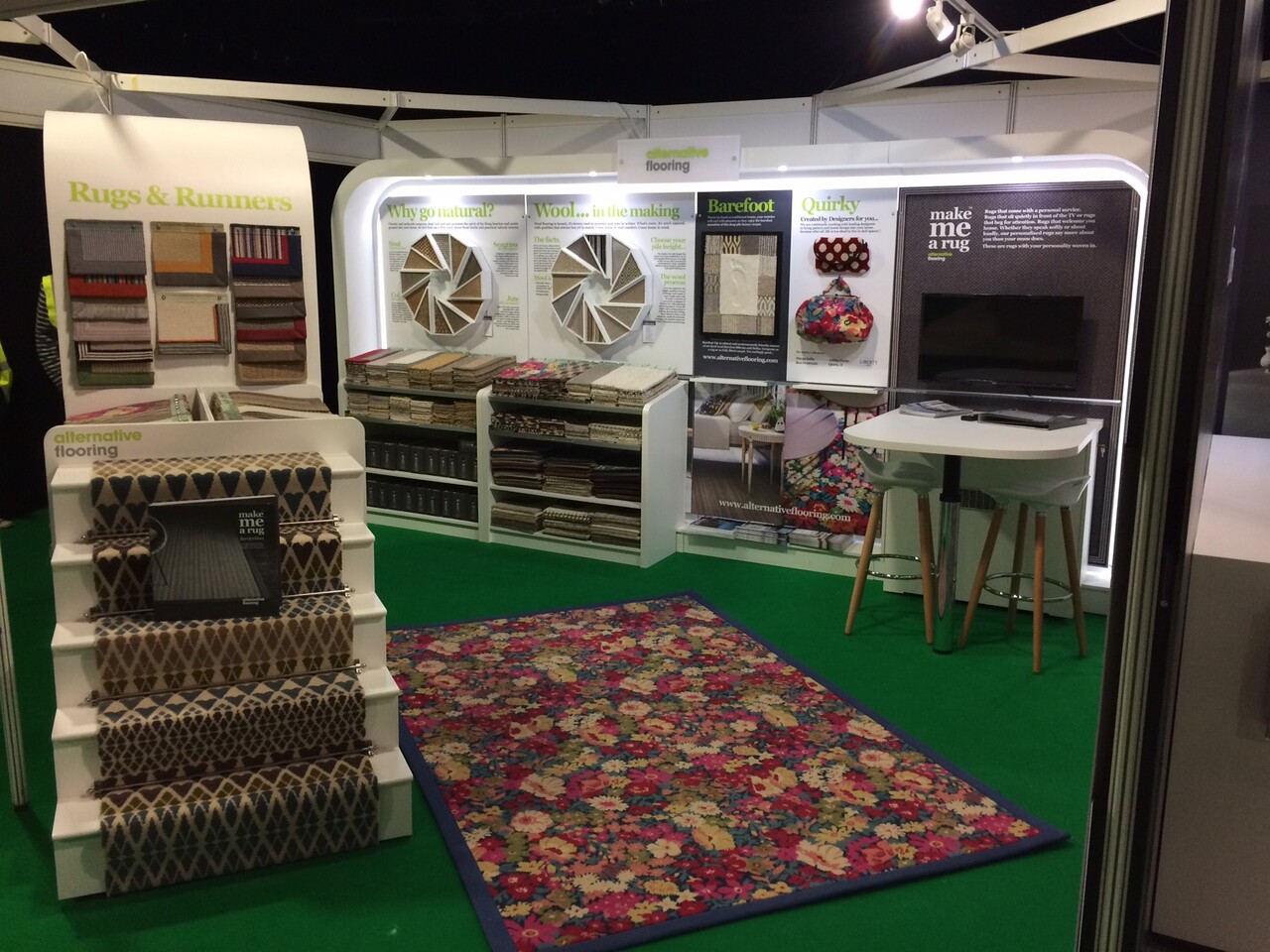
Offering a halfway compromise between temporary and permanent options, semi-permanent displays are usually in place for a few months to a year. If you have a seasonal catalogue, they are a good option to show what you have available in summer and then change it when the autumn stock arrives.
Vendor Shop
A vendor shop is a unique display. It involves a vendor setting up their own internal store within a retailer’s unit. They allow customers to interact directly with the brand and potentially see other new products.
From displays to experiences
The displays above all share one job: show a product and prompt a purchase. Since 2023, the strongest in-store retail has gone a step further, turning the shop into somewhere to try a product, not just see it.
Tactile, hands-on displays are now a leading retail design trend as stores work to offer something online cannot.

Why shoppers expect more
People can buy almost anything from their phones, so a visit a shop has to be worth the trip. A display that lets a customer touch, test or sample a product gives them that reason and builds a stronger memory of the brand.
Sampling and demo zones
This is where point of purchase meets experience. A demo zone lets staff or customers put a product to use.
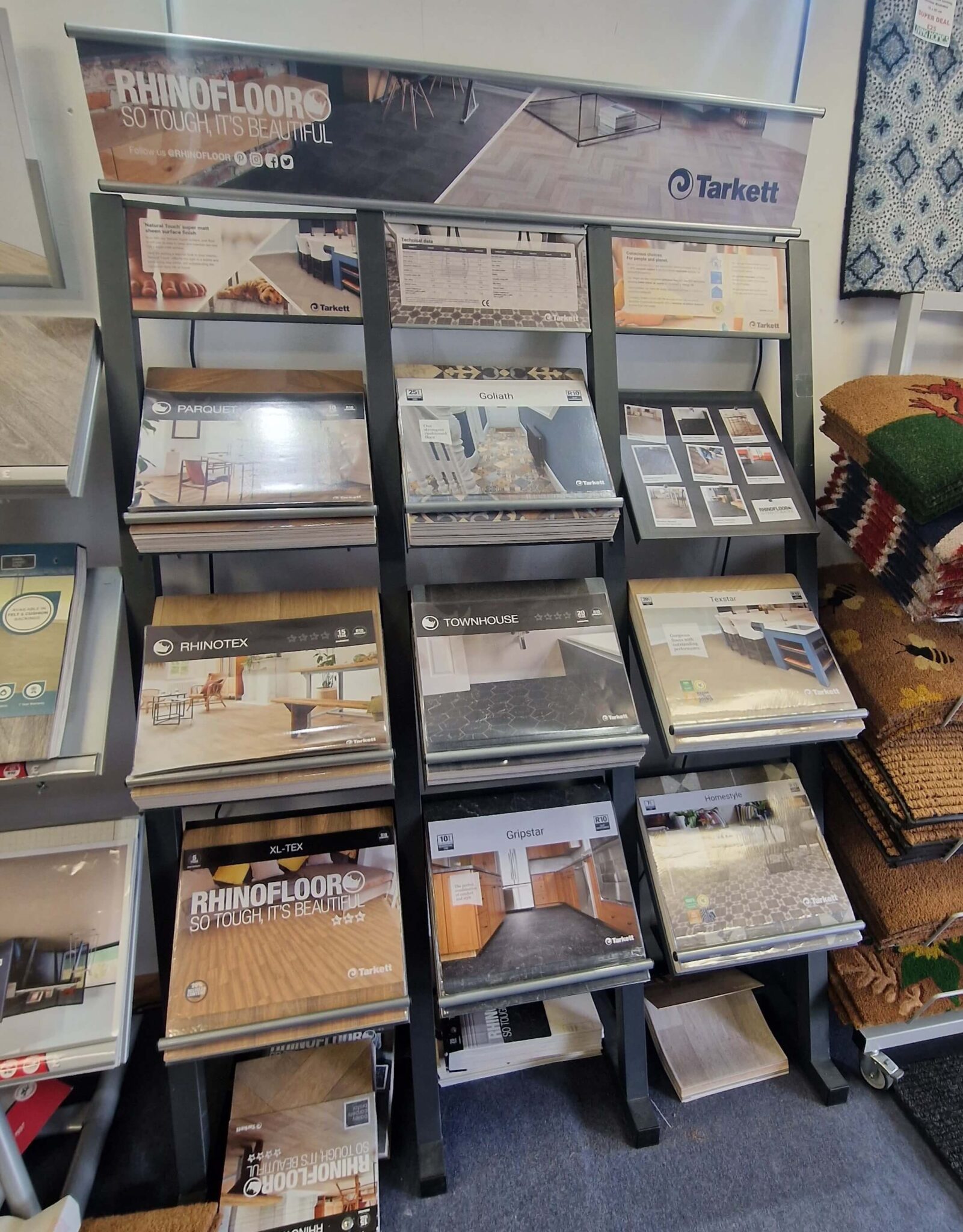
A sampling stand lets people handle the real thing, which matters most for considered buys like flooring, where a swatch or shade card does more than any sign. Built well, these zones can turn a passing look into a confident purchase.
POP Advertising Strategy
Setting up a campaign without a detailed strategy risks losing out on sales. A strategy will not only make your campaign more cost-efficient but also help you implement each step and facet.
You can use multiple devices to advertise, including each display listed previously. However, you should use them to achieve different objectives. If you want to sell more of one item in a month, a simple temporary sign pushing it will work well. Alternatively, a larger semi-permanent display, potentially incorporating digital elements, will be better suited to increasing brand awareness.
You could try to:
- Highlight the benefits of your product
- Analyse what your competition is missing out on and use it
- Study customer demand and make ads that show how your product caters to their needs.
Setting Your Goals
When launching a new marketing campaign, goals are key to tracking success. POP Marketing is no different. Setting realistic goals helps you monitor your progress and budget, making the most out of your campaign.
KPIs
Key performance indicators (KPIs) track various aspects of your campaign and provide measurable values that highlight your progress. It could simply be sales or more complex metrics like ad impressions and conversion rates.
You can use this data to direct your optimisation and future strategies. Understanding each indicator and how they impact customer experience can show you how to maximise your campaign to increase sales.
Timeline
Understanding your strategy’s timeline is crucial for goal setting. If you don’t know how long your campaign will last, you won’t be able to measure its success. Plan out these goals and when you want to hit them.
Ask yourself: are there any key dates or seasons on the horizon that we should target? If you are creating a campaign in January, you may want to look ahead to Valentine’s Day in February.
Checklist For Success
- Identify your target audience
- Create displays that stand out
- Communicate your goals with retailers
- Track KPIs
- Use data to optimise your strategy
Benefits of Point-Of-Purchase Advertising
Point-of-Purchase advertising offers a few distinct benefits that set it apart from other marketing strategies.
Targets Impulse Buyers
Some customers make purchases on a whim, meaning that if you place POP marketing near tills, you can potentially incentivise them to buy products they didn’t initially intend to buy.
Spreads Messages
When your product is on its own on the shelf, it doesn’t offer a lot of information, and consumers may want to ask further questions before buying. Your Point-of-Purchase advertising can answer these questions and push the customer further along the sales funnel.
Cost-effective
When compared to paid media advertising or digital marketing, POP marketing is far more cost-effective.
Ideal Placement
If you advertise on TV or in a public place, your customers have to search and travel to buy your products. By advertising in a store that stocks your products, your customers are in the right place to purchase them.
Our Retail Point-of-Purchase Displays
At ADP Distribution, our merchandising services can install the perfect POP and POS displays to establish your brand, show off your products and encourage your customers to make purchases. We can handle interactive display stands, colour and range changes, stock rotation and many more updates to your store merchandising, helping you manage your displays.
On top of that, we can create bespoke swatch samples and flooring shade cards that you can use to help your customers choose the right product for them.
We are available to help you set up a one-off marketing display or assist with long-term merchandising projects that will become vital features of your showrooms.
If you would like to find out how we can help your Point-of-Purchase advertising, contact our experts today. We will break down our services and products and answer any questions you may have.