As a homeowner, your top priority should be to create a cosy and snug space that you can retreat to. The type of carpet you choose will ultimately determine how comfortable your home feels. Not only that but it can also impact the shelf life of your carpet.
To help you find the right carpet for your home, we’re sharing our detailed buying guide on the different types of carpets. Read on to discover which one you should choose for your home.
The Main Types of Carpet Material
We understand that it can be tricky to choose a carpet for your home. After all, it is not always easy to imagine how the carpet will feel underfoot in your living room, bedroom, hallway or even office. That is why it is important to understand the different properties of each material.
1. Nylon
Nylon has been touted as one of the most resistant and durable materials. So, it is no surprise that it is a popular choice for carpets in homes. Around 90% of residential carpets are composed of nylon fibres. This is because nylon has a very soft and silky texture.
More than that, nylon is an extremely strong and versatile fibre, maintaining its original appearance for years to come. This is largely due to the fact that its structure is composed of hydrogen molecules, which can easily bounce back when flattened. With that in mind, nylon is the perfect choice for areas with high foot traffic.
One slight drawback of nylon that has not been treated is that it is a very absorbent material, making it difficult to prevent stains. Solution-dyed nylon, on the other hand, is more stain-resistant, making it the better choice for carpeting your home.
2. Polypropylene
Polypropylene is a synthetic fibre used to make carpets. It has grown in popularity over the years for its wool-like appearance. Not to mention, polypropylene is hydrophobic. In other words, it does not absorb liquid, making it difficult for stains to attach to fibres. This ensures the longevity of the fibre’s colour.
Having said that, polypropylene is not very soil-resistant, as it is nearly impossible to fully remove oils and other substances from the fibre. Over time, this residue builds up and traps dirt, leading to the appearance of a stain. It’s also worth noting that polypropylene is not as durable as other fibres. In the home, you may find that your polypropylene carpet lacks the same ability to bounce as nylon or other fibres.
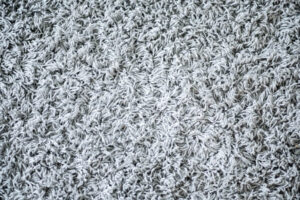
While polyester has been heralded for holding vibrant colours, it is a less durable and reliant fibre compared to nylon. That being said, a high-quality polyester carpet will likely outperform a low-quality nylon carpet in terms of durability and longevity.
Of course, the comfort of polyester is also an important consideration. The good news is that when it comes to the softness of polyester, there is no noticeable difference in feel between polyester and other types of carpet.
Another upside of polyester is that it is hydrophobic. With its liquid-repellent properties, polyester comes out ahead of nylon in terms of stain resistance. However, similar to polypropylene, polyester is prone to soiling.
4. Acrylic
Acrylic is a perfect substitute for wool, offering a similar feel and appearance at a fraction of the cost. Although acrylic fibres are highly resistant to stains, moisture and mildew, acrylic is not a very durable material. With this in mind, acrylic is not an ideal choice for high-traffic areas.
5. Wool
Wool is prized for its luxurious and natural appearance. However, as wool is a natural material, it can degrade in quality due to mould and mildew. Therefore, it is advisable to only install a wool carpet in areas with low humidity.
It’s worth noting that wool carpets can be slightly more expensive. However, as the fibres are resilient it is likely that your carpet will pay for itself over time, reducing the cost and stress of having to replace your carpet earlier than expected.
How To Clean Different Types Of Carpet
No matter what type of carpet you choose for your home, it is important to know how to clean it. After all, different fibres will require different levels of cleaning and care to stay in good condition.
While nylon has been praised for its durability, its fibres will begin to flatten over time. The good news is that it is easy to revive the hydrogen molecules with the heat from a steam cleaner. Therefore, it is wise to steam clean your carpet at least once every year to ensure its longevity.
It is also important to note that despite acrylic’s stain-resistant properties, it can turn brown if stained with alkaline chemicals. In such cases, dry carpet cleaning may provide the safest option, as it involves the application of the cleaning compound to the bottom of the carpet while still allowing for thorough, deep cleaning.
Alternatively, encapsulation is a process that involves the application of synthetic detergents. These detergents crystallise into powder and capture any loose dirt in the carpet before they are vacuumed or brushed away. Note that encapsulation does not always work well for carpets that are heavily soiled. Instead, shampooing provides a more effective method of cleaning.
Options For Carpet Pile
Equally, it is important to carefully consider the type of carpet pile. The carpet pile you choose will impact the overall performance and feel of your floor. There are nine main types of carpet piles available for you to choose from, each with its own unique properties.
Popular types of carpet piles include:
- Looped carpet piles – This is one of the most durable carpet piles available. Not to mention it is extremely easy to clean and resistant to stains. Having said that, it’s important to keep in mind that lopped piles are less soft, making them less ideal for family homes.
- Berber piles – This is a type of knotted pile that is highly durable and resistant to stains. This makes such carpets a versatile option for both residential and commercial buildings.
- Cut/twist piles – This style of carpet involves the shearing of exposed fibres. This leaves each fibre with a twist that is resilient to matting and crushing.
- Saxony piles – This style offers a dense cut pile with fibres that are rich and soft underfoot. However, this style is prone to matting and crushing.
- Plush piles – This style is composed of very short fibres that are densely packed to create a luxurious feel underfoot. However, such piles are not ideal for areas with lots of foot traffic.
- Frieze-cut piles – With twisting and kinking long-cut fibres, this style creates a shaggy appearance that is highly durable and perfect for areas with high foot traffic.
- Sculpted piles – Consisting of both cut and looped fibres, sculpted piles have a three-dimensional texture.
- Textured-cute piles – This form of carpet pile is composed of strands that are twisted into spirals, which makes it difficult to show footprints or other marks. However, as spiral strands do not reflect that much light, any areas that are matted will stand out.

What Are The Different Types Of Carpet Backing?
The underside of your carpet should not be overlooked, as it can impact the structural stability of your carpet. The fibres of carpet backing are sewn into the primary backing of your carpet to provide form retention. However, certain types of carpet backing are more effective than others.
Popular options for carpet backing include:
- Jute – Jute is a popular choice for residential carpets due to its durability and high quality.
- Felt – Felt provides a lightweight option for carpet backing. This means that it will require less effort to lift your carpet when necessary. However, felt carpet backing is usually made from low-quality materials, shortening the lifespan of your carpet.
- Synthetic latex – Due to its flexibility and durability, synthetic latex was one of the first materials used to create carpet backings. That being said, exposure to moisture can cause latex to deteriorate and peel away from the primary backing.
- Polyurethane – With its outstanding adhesive properties, polyurethane is a popular choice for carpet backing. However, they can be slightly expensive to install.
Get Your Carpet Range to Your Clients
From nylon and polypropylene to wool, polyester, and blended carpets, each order needs a delivery process your retail team can rely on.
ADP Distribution helps flooring retailers transport carpet ranges from supplier to warehouse, warehouse to store, and store to customer across the UK and mainland Europe.
With distribution, warehousing, and fulfilment under one roof, we support a smoother supply chain for manufacturers, retailers, and the clients waiting for their new carpet.
ADP can also support your carpet sales before delivery even begins, with bespoke swatch samples that help customers compare fibres, colours, textures and finishes. From swatch cards to sample books, we create high-quality presentation materials that showcase your carpet ranges in the best possible light.